

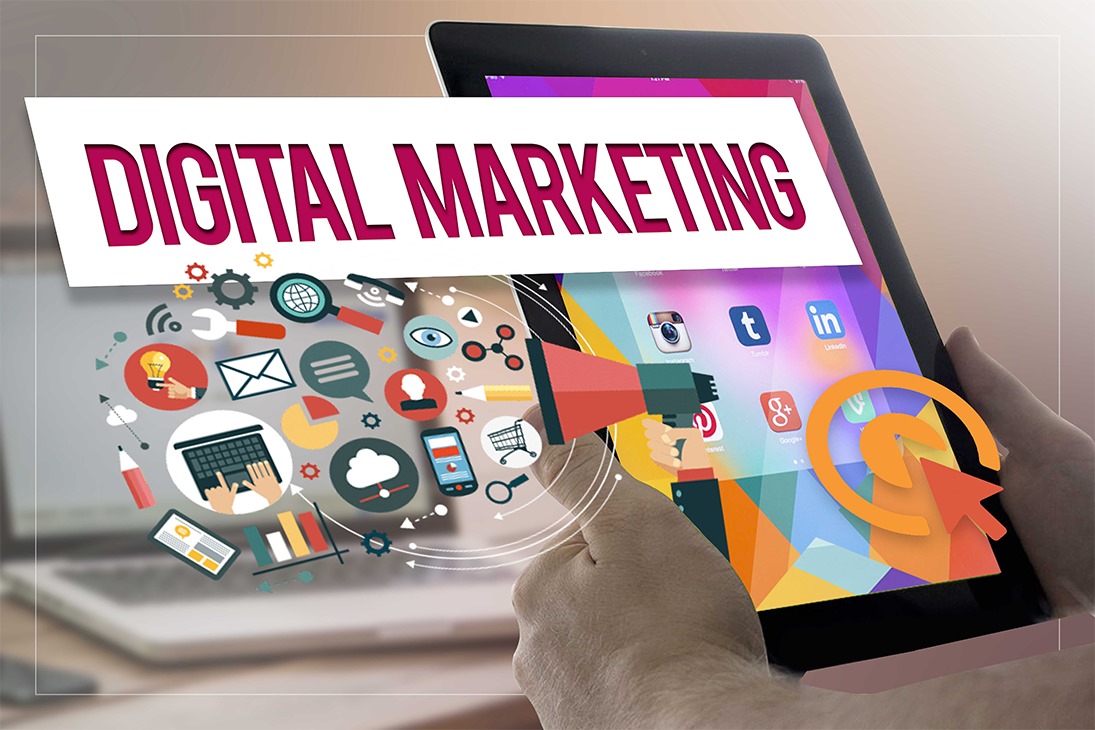
In today's digitally driven world, businesses thrive on their ability to connect with customers online. Digital marketing has become an indispensable tool for businesses of all sizes, enabling them to reach broader audiences, engage with customers, and drive sales. At Lensel Computer Academy, our comprehensive Digital Marketing course is designed to equip you with the skills and knowledge needed to excel in this dynamic field.
Experienced Instructors: Our instructors are industry experts with
extensive experience in digital marketing. They bring practical
insights and real-world knowledge to the classroom, providing
valuable guidance and mentorship.
Hands-On Learning: Our program emphasizes hands-on learning through
practical exercises, projects, and case studies. This approach
ensures you gain practical skills that you can apply immediately in
your career.
State-of-the-Art Facilities: Our academy is equipped with modern
computer labs and the latest digital marketing tools and software,
providing an optimal learning environment.
Career Support: We offer robust career services, including job
placement assistance, resume building, and networking opportunities.
Our goal is to help you launch and advance your career in digital
marketing.
Our Digital Marketing program at Lensel Computer Academy covers a
wide array of topics, from fundamental concepts to advanced
strategies. Whether you are a beginner or looking to enhance your
existing skills, our course is designed to meet your needs.
What Our Program Covers
Introduction to Digital Marketing: Understand the core principles of
digital marketing, including the digital marketing landscape, key
channels, and the role of a digital marketer.
SEO (Search Engine Optimization): Learn the importance of SEO in
improving website visibility. Master techniques for keyword
research, on-page and off-page optimization, and link building to
enhance organic search rankings.
Content Marketing: Explore strategies for creating compelling and
valuable content that attracts and engages target audiences.
Understand the role of blogs, videos, infographics, and other
content formats in digital marketing.
Social Media Marketing: Gain expertise in leveraging social media
platforms like Facebook, Instagram, Twitter, LinkedIn, and others
for marketing purposes. Learn how to create effective social media
campaigns, engage with followers, and measure success.
Email Marketing: Discover the power of email marketing for nurturing
leads and building customer loyalty. Learn how to design effective
email campaigns, segment audiences, and analyze performance.
PPC (Pay-Per-Click) Advertising: Understand the fundamentals of PPC
advertising on platforms like Google Ads and Bing Ads. Learn how to
create and manage paid search campaigns, optimize ad performance,
and maximize ROI.
Web Analytics: Gain insights into web analytics tools such as Google
Analytics. Learn how to track and analyze website traffic, user
behavior, and campaign performance to make informed marketing
decisions.
Affiliate Marketing: Explore the concept of affiliate marketing and
how it can drive sales and revenue. Learn how to set up and manage
affiliate programs effectively.
Online Reputation Management: Understand the importance of managing
a brand's online reputation. Learn strategies for monitoring and
responding to online reviews, comments, and feedback.
Digital Marketing Strategy: Develop comprehensive digital marketing
strategies that align with business goals. Learn how to integrate
various digital marketing channels for a cohesive approach.
Expanding Reach: Digital marketing allows businesses to reach a
global audience. Through various online channels, companies can
connect with customers beyond geographic boundaries.
Cost-Effective: Compared to traditional marketing methods, digital
marketing offers cost-effective solutions for reaching targeted
audiences. Businesses can optimize their marketing budgets and
achieve better ROI.
Measurable Results: Digital marketing provides measurable results
through analytics and data tracking. Marketers can assess the
effectiveness of their campaigns in real-time and make data-driven
decisions.
Engagement and Interaction: Digital marketing facilitates direct
interaction with customers. Social media, email marketing, and other
online platforms enable businesses to engage with their audience and
build strong relationships.